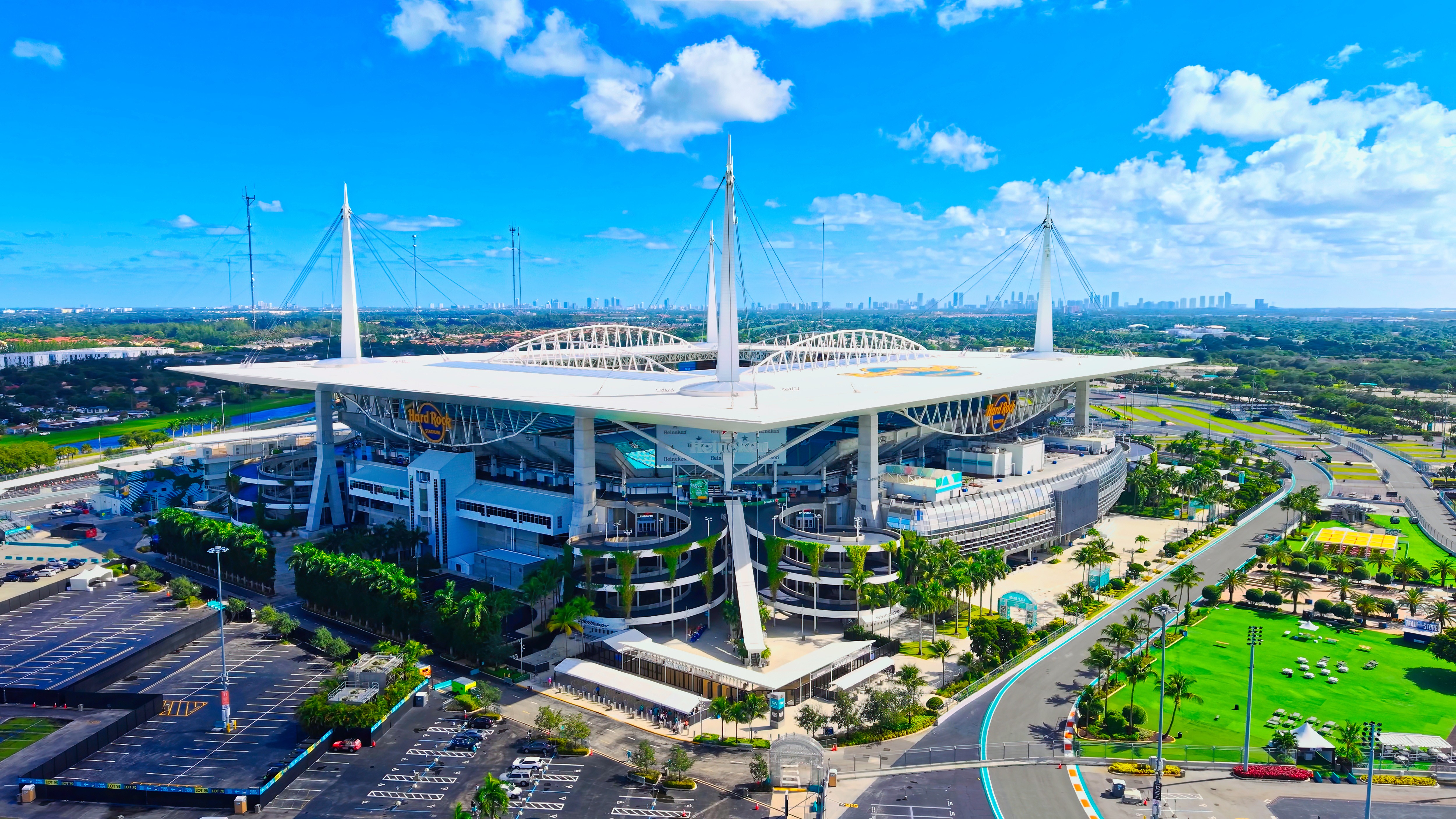
The 2026 FIFA World Cup has arrived in Miami Gardens, and for the next several weeks Hard Rock Stadium — officially “Miami Stadium” during the tournament — is hosting seven matches that will draw tens of thousands of fans into our neighborhood. Brazil, Portugal, Colombia, and Uruguay are all on the schedule, which means packed roads, overflowing parking lots, and a wave of out-of-town drivers navigating unfamiliar streets.
That kind of congestion does more than test your patience. It sharply raises the odds of a fender-bender, a rear-end collision in stop-and-go traffic, or a crash involving a rideshare. As a chiropractic practice right here in Miami Gardens that treats auto-accident patients every day, we want to help you stay safe on match days — and know exactly what to do if a crash does happen.

When the crowds are coming: 2026 World Cup match days at Hard Rock Stadium
Mark these dates. Traffic builds for hours before kickoff and lingers well after the final whistle, so plan any travel near the stadium around them:
• June 15 – Saudi Arabia vs. Uruguay, 6:00 p.m.
• June 21 – Uruguay vs. Cabo Verde, 6:00 p.m.
• June 24 – Brazil vs. Scotland, 6:00 p.m.
• June 27 – Colombia vs. Portugal, 7:30 p.m.
• July 3 – Round of 32
• July 11 – Quarterfinal
• July 18 – Bronze (Third-Place) Final
What changes on the road near the stadium
Local officials have put a match-day traffic plan in place that reroutes a lot of vehicles, which is exactly how surrounding streets become bottlenecks. Here is what to expect:
• NW 199th Street closes early. The stretch of NW 199th Street near the stadium is closed to vehicles without authorized parking credentials starting at 5:00 a.m. on every match day.
• Turnpike Exit 2X is restricted. Both the northbound and southbound Florida Turnpike Exit 2X ramps are closed to anyone without a valid FIFA parking pass.
• Closures expand during and after matches. Additional restrictions kick in while games are underway and stay in place until postgame traffic clears, pushing displaced traffic onto local roads like NW 27th Avenue.
• Rideshare and shuttle surges. With no direct Metrorail line to the stadium, most fans arrive by car, rideshare, or FIFA’s complimentary ticket-holder shuttle. Drop-off zones and pickup queues create sudden stops and merging traffic that catch drivers off guard.
How to avoid an accident on match days
A few habits go a long way when the roads around Hard Rock Stadium fill up:
• Build in extra time. Officials recommend allowing well beyond your normal travel time on match days. Rushing through congested intersections is where many low-speed collisions happen.
• Map an alternate route. If your day-to-day route runs along NW 199th Street, NW 27th Avenue, or the Turnpike near Exit 2X, plan a way around the stadium core before you leave the house.
• Leave more following distance. Stop-and-go traffic is the leading setup for rear-end crashes and whiplash. A bigger cushion gives you room to react when the car ahead brakes suddenly.
• Watch for pedestrians and cyclists. Fan foot traffic spills into crosswalks and roadways for blocks around the venue. Slow down and expect people to step out unexpectedly.
• Stay off the phone. Unfamiliar detours tempt drivers to stare at their GPS. Set your route before you drive and keep your eyes on the road.
• If you’re a passenger, buckle up anyway. Short rideshare hops to the stadium are exactly when people skip the seatbelt. Even a low-speed bump can cause neck and back injuries.
Been in a crash near the stadium? Act within Florida’s 14-day window
If you are in an auto accident anywhere in South Florida, Florida’s Personal Injury Protection (PIP) law gives you a strict deadline: you must be seen by a qualified medical provider within 14 days of the crash to keep your PIP benefits available. Miss that window, and you can lose access to the coverage you have already been paying for.
That deadline matters even more after a low-speed collision. Whiplash, neck pain, and back pain after a car accident often don’t show up until a day or two later, once the adrenaline fades. Waiting to “see if it gets better” can put both your health and your benefits at risk.
What to do right after an accident
• Call 911 and report the crash, even if it seems minor.
• Photograph the vehicles, the scene, and any visible injuries.
• Exchange insurance and contact information with the other driver.
• Get evaluated by a medical provider as soon as possible — within the 14-day window.
• Keep every document: the police report, medical paperwork, and your insurance claim number.
Why Miami Gardens drivers choose County Line Chiropractic
County Line Chiropractic has cared for South Florida auto-accident patients since 1986, and our Miami Gardens office is minutes from Hard Rock Stadium. We focus exclusively on injuries from car accidents, so our team knows how to document and treat the neck, back, and soft-tissue injuries that come from collisions — including the kind of low-speed crashes that happen in heavy event traffic.
Dr. Vivian Solivan, D.C., sees patients at our Miami Gardens location and is fluent in Spanish — a real advantage for the many fans and families visiting the area during the tournament. Our Miami Gardens office also sits directly next door to an accredited imaging center, so if your evaluation calls for advanced imaging, it's right there.
A few things that make the process simpler:
• We bill your PIP insurer directly. PIP covers your evaluation, and we handle the billing so you can focus on getting better.
• We help you with or without a lawyer. Many patients come to us before they ever speak with an attorney. You're welcome to start your care first — the choice is always yours.
• Full digital X-ray on site. Every one of our six South Florida locations is equipped for digital X-ray, with MRI and CT handled through trusted accredited local imaging centers.
Injured in a crash near the stadium? Get the care you deserve.
If you've been in an auto accident in Miami Gardens or anywhere in South Florida, don't wait out the 14-day clock. Contact County Line Chiropractic's Miami Gardens office to schedule your evaluation, and let us handle the PIP billing.